

News
- 15 Sep. 2026, our work “CO-tolerant ethylene glycol oxidation on p–d hybridized platinum ditelluride for seawater artificial leaves” has been accepted on Advanced Energy Materials
- 14 Apr. 2026, Our work “Hydration Shell Modulation of Al3+ for Efficient Aluminum Electrodeposition and Suppressed Hydrogen Evolution in Aqueous Batteries” has been accepted by ACS Applied Materials & Interfaces
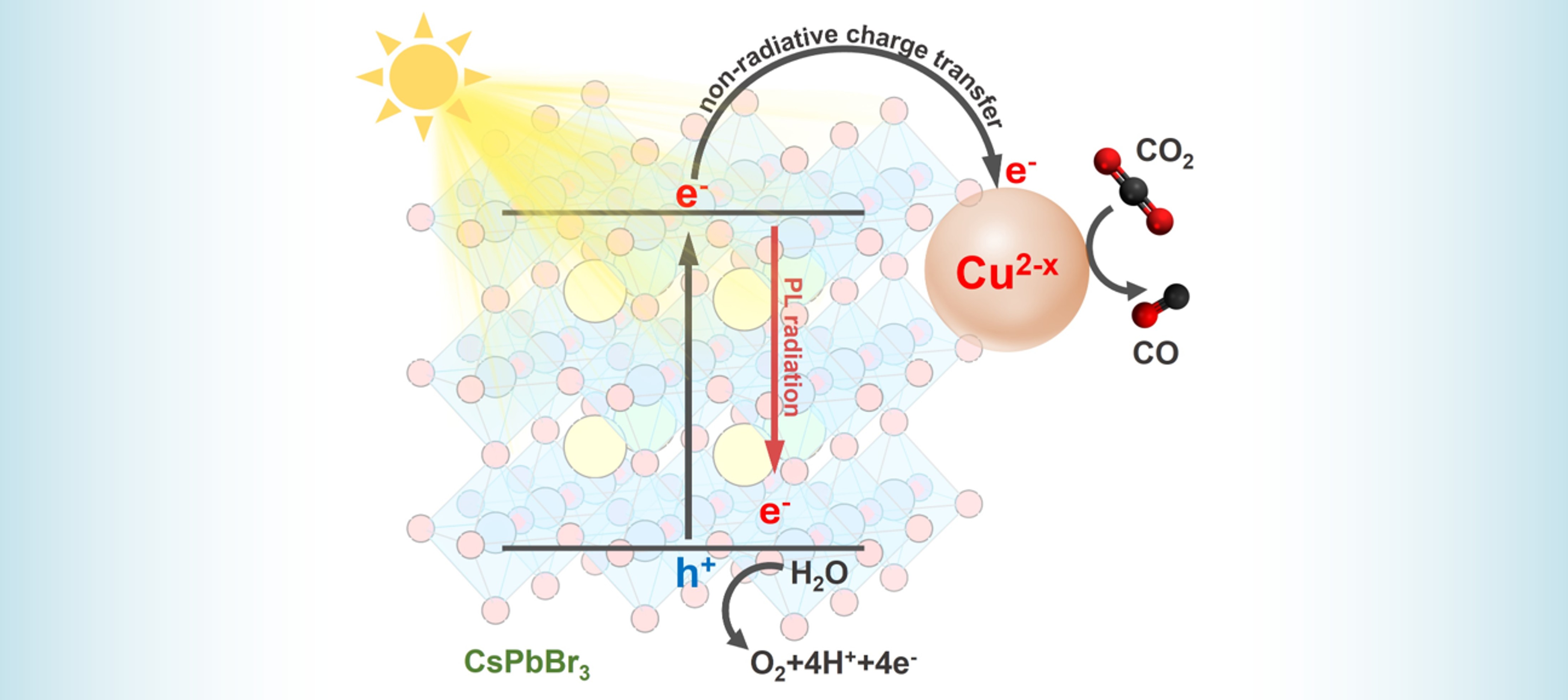
- 10 Apr. 2026, Our work “Cu Atom-doped CsPbBr3 Nanocrystals for Enhanced Photocatalytic CO2 Reduction Reaction” has been accepted by J. Phys. Chem. Lett.
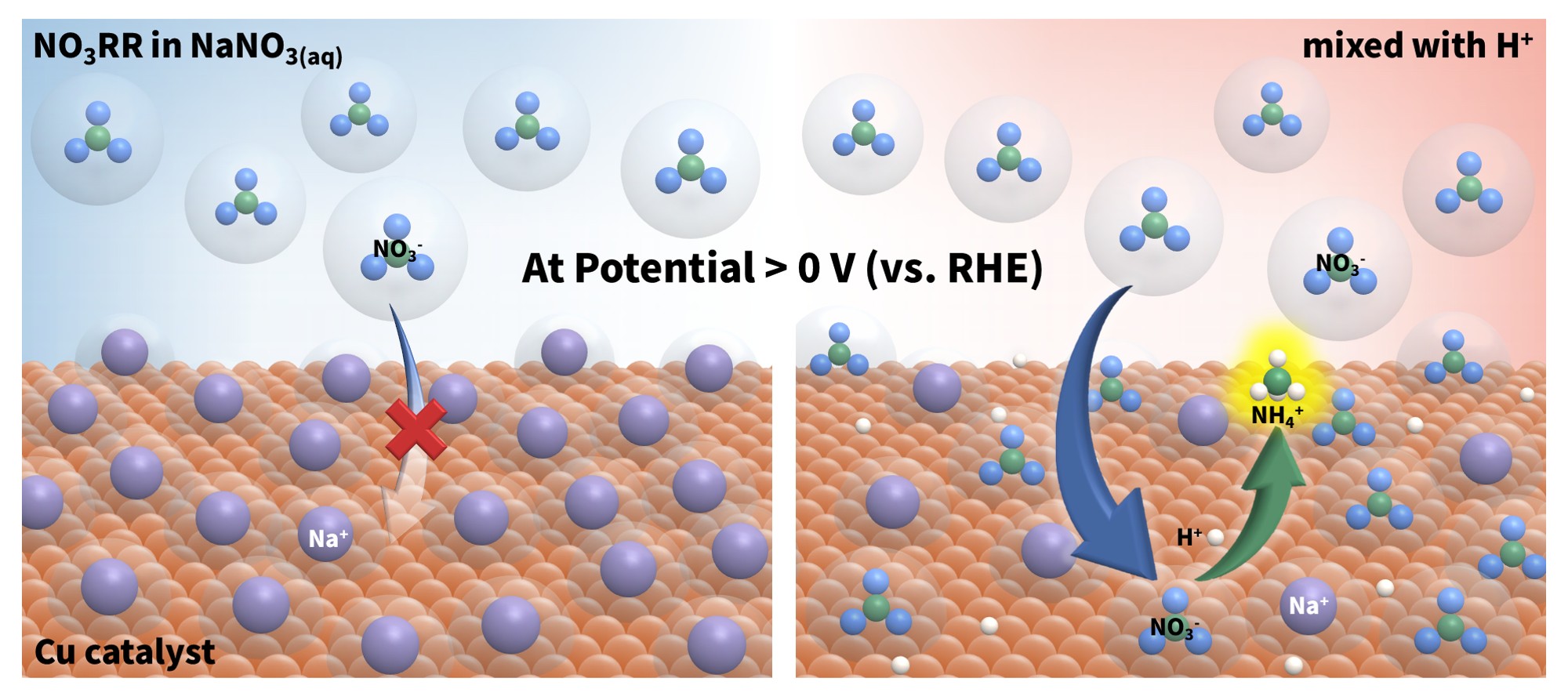
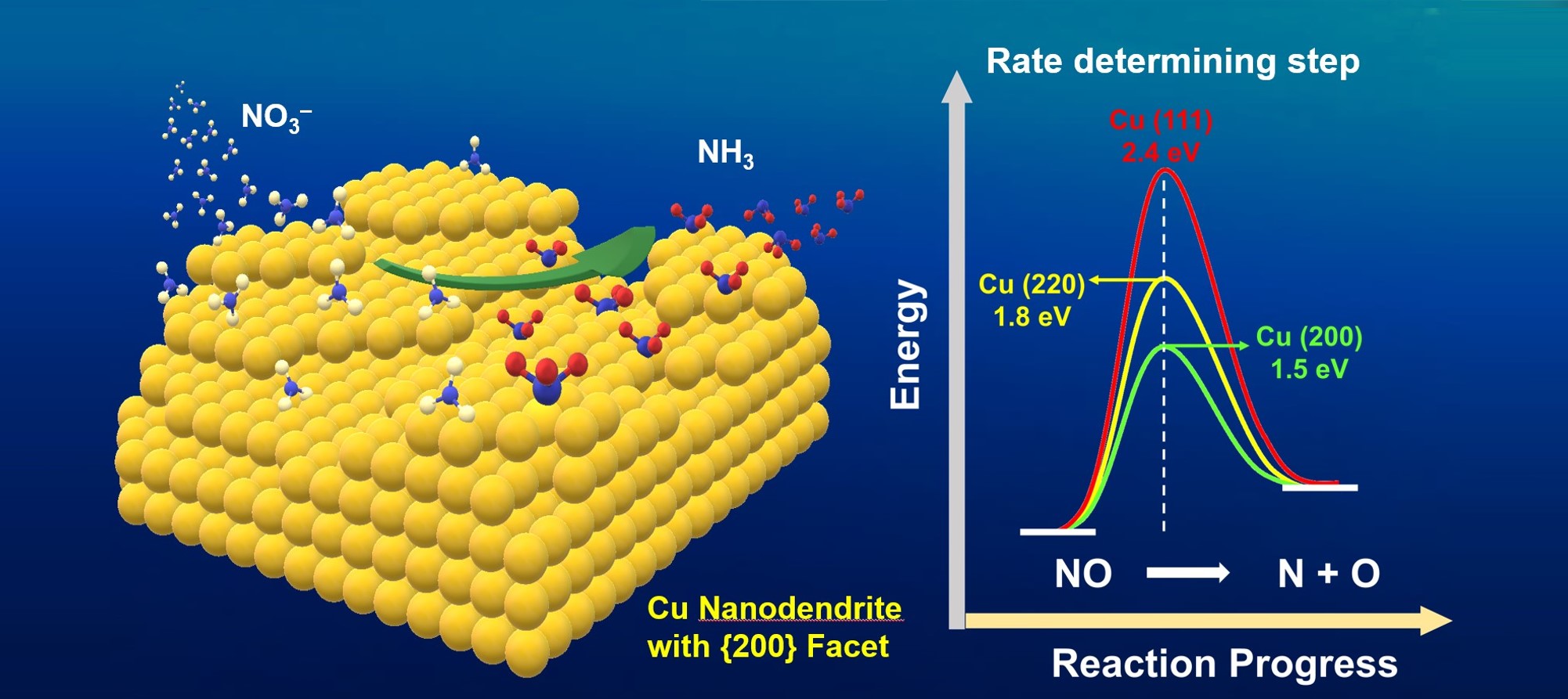
- 09 Apr. 2026, Our work “Modulation of Protons and Cations at the electrode-electrolyte interface for Effective Selectivity of Ammonia Production during Electrochemical Nitrate Reduction Reaction” has been accepted by Appl. Catal. B-Environ.”
- 13 Jan. 2026, Dr. Yi-Chia Chen et al. received 2025 Best Article Award in “Chemistry ” of the Chemical Society Located in Taipei
Research
Efficient electrical energy storage has attracted intense attention due to the increasing power demand in the next generation of electric vehicles and stationary applications. To improve chemical energy storage, our group focus on developing new active earth abundant materials to generate or storage more chemical energy by optimizing electronic and crystal structure during solid state chemistry.
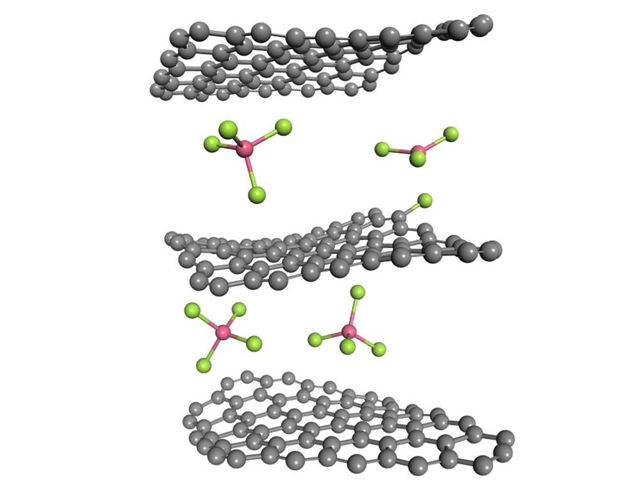
To achieve Al-graphite batteries with higher capacity and higher Coulombic efficiency, investigating the detailed relationship between intercalation behavior of chloroaluminate anions andvoltage plateaus is a key issue for future battery development.
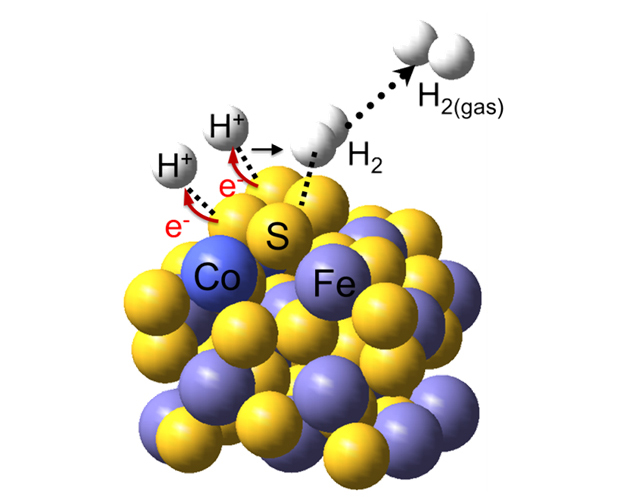
Hydrogen could be an economic fuel used in electrochemical cell for driving vehicles or electric devices.
Producing hydrogen fuel has led to intense search for effective electrocatalysts for hydrogen evolution reaction (HER) in the field of renewable energy exploration.
Metal sulfide catalysts could lead to the modified electronic structure, optimal hydrogen adsorption energy and HER catalytic activity.